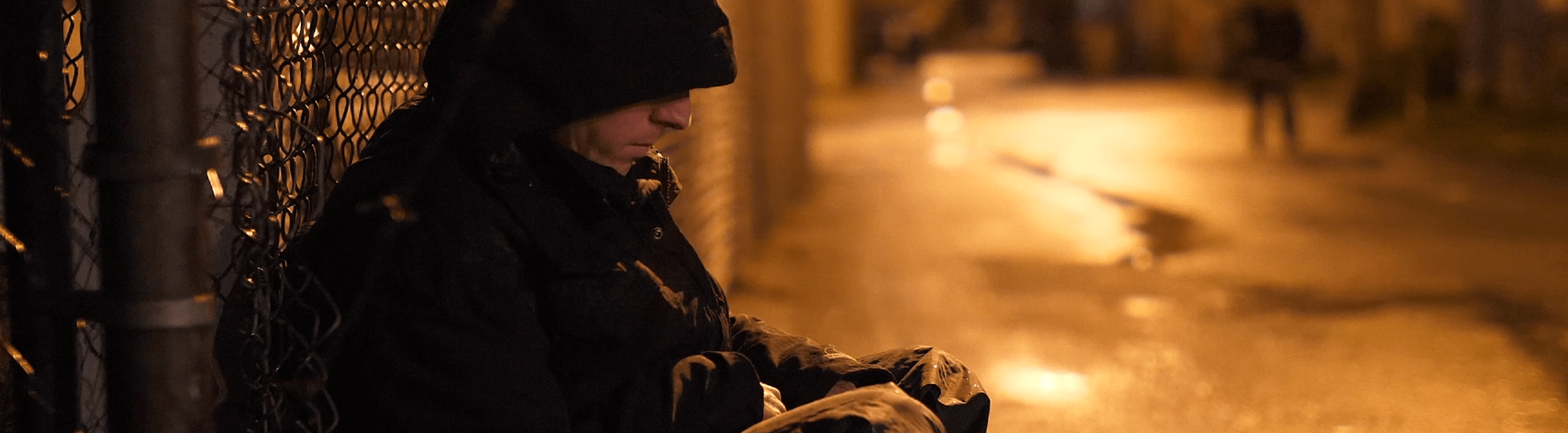
In small towns across Northeast Georgia, where everyone knows everyone, a HIV diagnosis can feel like carrying a secret that's simultaneously too big to bear and too dangerous to share. This is the paradox of rural HIV stigma: the same tight-knit communities that provide support in many life challenges can become sources of isolation for people living with HIV.
But change is happening, quietly and persistently, through understanding, education, and genuine community partnership.
Imagine needing to pick up HIV medication at the only pharmacy in a town of 2,000 people—where the pharmacist coaches your child's soccer team and attends your church. This isn't a hypothetical scenario; it's the reality many face in rural Georgia.
Unlike urban areas where anonymity provides a buffer, rural communities present unique challenges:
Rural residents often face 50+ mile drives to access specialized HIV care. For someone already hesitant due to stigma, this geographic barrier becomes another reason to delay or avoid treatment.
In rural communities, family ties run deep. A HIV diagnosis doesn't just affect the individual—it ripples through extended families who may struggle between support and fear, between love and misconceptions passed down through generations.
Stigma thrives on misinformation. These persistent myths continue to harm rural communities:
Reality: HIV has no visible symptoms in most cases, especially when treatment keeps viral loads undetectable. This myth creates false security and wrongful judgment.
Reality: With modern treatment, people living with HIV have near-normal life expectancies. Many local residents are thriving with HIV, though stigma keeps them silent.
Reality: HIV doesn't discriminate. In rural Georgia, we're seeing increased diagnoses among:
Reality: You cannot contract HIV from:
Our mobile testing units visit rural areas regularly, providing discrete testing in familiar locations—community centers, health fairs, workplaces. This approach reduces the barrier of "being seen" at an HIV clinic.
Last year, we conducted over 800 rural tests, identifying 12 new diagnoses that might have otherwise gone undetected for years.
Our online support groups allow rural residents to connect with others living with HIV without geographic or privacy concerns. Participants from different counties share experiences, advice, and encouragement—building community while maintaining confidentiality.
We work with respected community figures—pastors, physicians, teachers, local officials—to spread accurate information. When trusted voices speak, communities listen.
Recently, a local pastor who lost his brother to HIV complications began discussing prevention during church health ministry meetings. His openness sparked conversations in a community where HIV was previously unmentionable.
After attending a community education session, a grandmother disclosed that her grandson was HIV-positive and she'd been afraid to hug him. Learning that HIV can't be transmitted through casual contact, she wept—grieving the year of physical distance stigma had created. She's now an advocate for education in her community.
A local business owner, after learning about U=U (undetectable = untransmittable), revised company health policies to explicitly include HIV care coverage and added anti-discrimination language. Other businesses in the area followed suit.
A high school health class invited us to speak about HIV prevention. The students' questions revealed both their misconceptions and their genuine desire to understand. Several later brought parents to community testing events.
Understanding HIV transmission, treatment, and prevention is the first step. Accurate knowledge displaces fear.
Words matter. Phrases like "clean" (implying others are "dirty") or "innocent victim" (implying others are guilty) perpetuate stigma. Choose language that respects human dignity.
When organizations host HIV awareness events, attend. Your presence normalizes the conversation and supports those who feel isolated.
When you hear misinformation, gently correct it. You don't need to be confrontational—just factual.
Whether you're an employer, church leader, teacher, or community member, you can make your space explicitly welcoming to people living with HIV.
Rural healthcare providers face unique challenges in addressing HIV stigma:
Stigma thrives in silence. Every person who shares their HIV status chips away at misconceptions and fear. But disclosure is deeply personal and must be on each individual's timeline.
What we can all do is create environments where disclosure feels safe, where people living with HIV know they'll be met with understanding rather than judgment.
Rural Georgia is changing. Younger generations often have less stigma than their parents did. Access to information through the internet has opened conversations previously impossible.
But we still have work to do. Over one million Americans live with HIV, and studies show that 50% have experienced homelessness or housing instability—often driven by family rejection rooted in stigma.
In rural communities, where resources are already limited, this stigma-driven rejection can be devastating.
HIV is a manageable chronic condition. The real epidemic in rural Georgia isn't HIV—it's the stigma that prevents testing, treatment, and support.
Breaking the silence starts with each of us choosing education over fear, compassion over judgment, and action over indifference.
LiveForward provides confidential HIV testing, treatment navigation, and support services throughout Northeast Georgia. If you or someone you know needs assistance, call (706) 549-1006. We also offer educational presentations for community groups, churches, businesses, and schools.
For healthcare providers seeking consultation on rural HIV care, contact our medical team at medical@liveforward.org.
HIV prevention specialist
That Over One Million Americans Are Living With HIV / AIDS And 50% Of Those Infected Are Homeless Or At Risk Of Homelessness.